the fabelmans, babylon, & films about film
writing about the day I had a spiritual experience in a theater

I want to make it a tradition for me to spend a day over my winter break at the theater watching films. A lot of things release during the holiday season, and I have the power to do what I want with my time now without my parents having to hover over me every second and I am using that power to the fullest (which for me is watching two longer than average movies over the course of one afternoon back-to-back). In 2021, I was the only one in the room for a showing of Guillermo del Toro’s Nightmare Alley and made it to the different screen for Spielberg’s West Side Story at the very beginning of the overture. It was an extremely fun experience, and I decided to use my pro time management to do it again recently. Somehow, I also chose two very fitting films to watch back-to-back (again, though I will say I made it during the preview reel on the second film this time) because of their shared theming: The Fabelmans and Babylon.
These two films share a couple of similarities, with the one I won’t be focusing on being that both were not exactly financial successes. The big talk in film circles as I am writing this is about the absolutely abysmal Christmas/opening weekend Babylon had for a variety of reasons (winter storm, Avatar generally just being there, the fact it is a very hard R film with a setting that does not appeal to a general audience, probably more things that people online are claiming somewhere). There’s probably deep reasoning somewhere for why people believe these movies are financial failures and how this is representing the death of any non-superhero franchise film and all that, but I really don’t want to focus on that line of thinking. The other similarity between these is that they focus on the world of filmmakers.
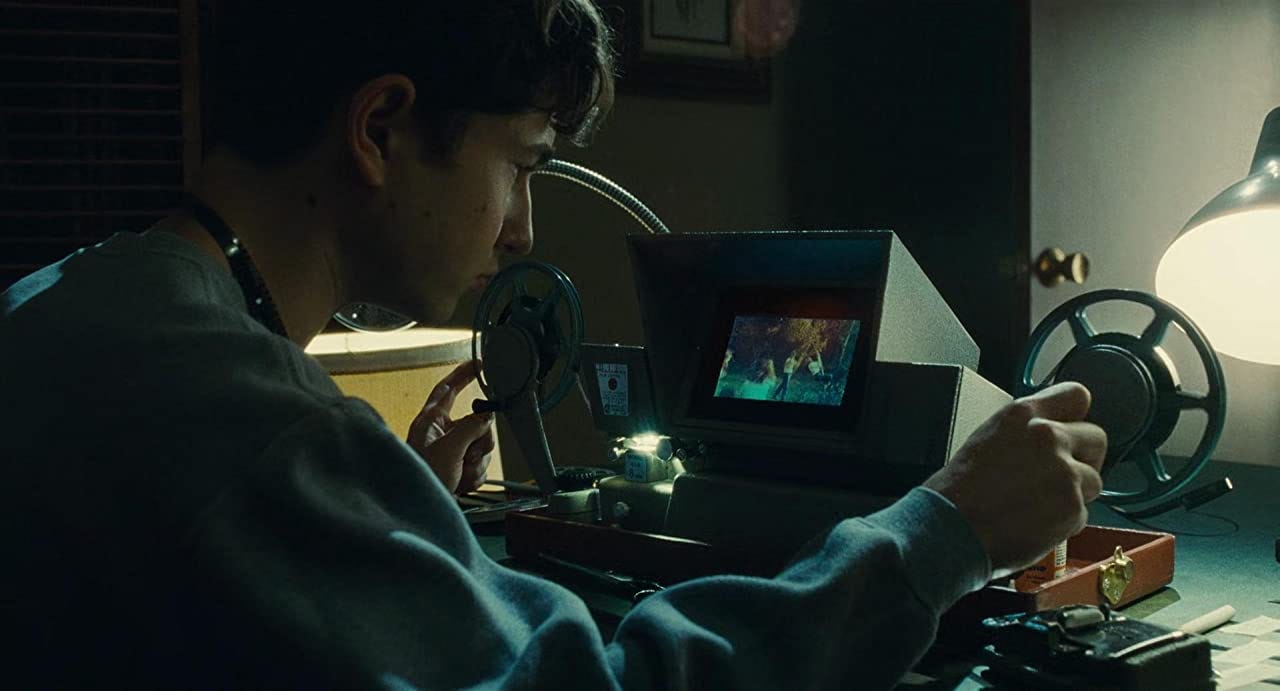
The Fabelmans is pitched as Spielberg making a film on his own life, so everyone knew going in it was going to be about movies. To be honest, I know very little about Spielberg outside of his body of directorial work, and didn’t do a lot of Googling going into this because I usually try to learn bare bones summaries of plot to decide if I’d be interested in seeing a film and then learn nothing more until I actually watch it. I joked in my Letterboxd review that there was “a lot more of Paul Dano getting cucked than I expected” because I didn’t even know Spielberg’s parents divorced during his childhood, so that’s the level of prior experience we’re talking here. All of that being said, I found it to be an effecting story about how film can impact people. The scene where Sam is editing the camping weekend footage to see his mom’s affair play out for the first time was absolutely chilling to me. The things this film expressed without the usage of dialogue really stuck out to me while watching, most notably in the scene discussed in the prior sentence and when they were moving into the house Burt built for the family. Film as a method to deal with the realities of life and communicate with others was something Sam dealt with a lot in his childhood, and it really reflected what Spielberg thinks of his own body of work.
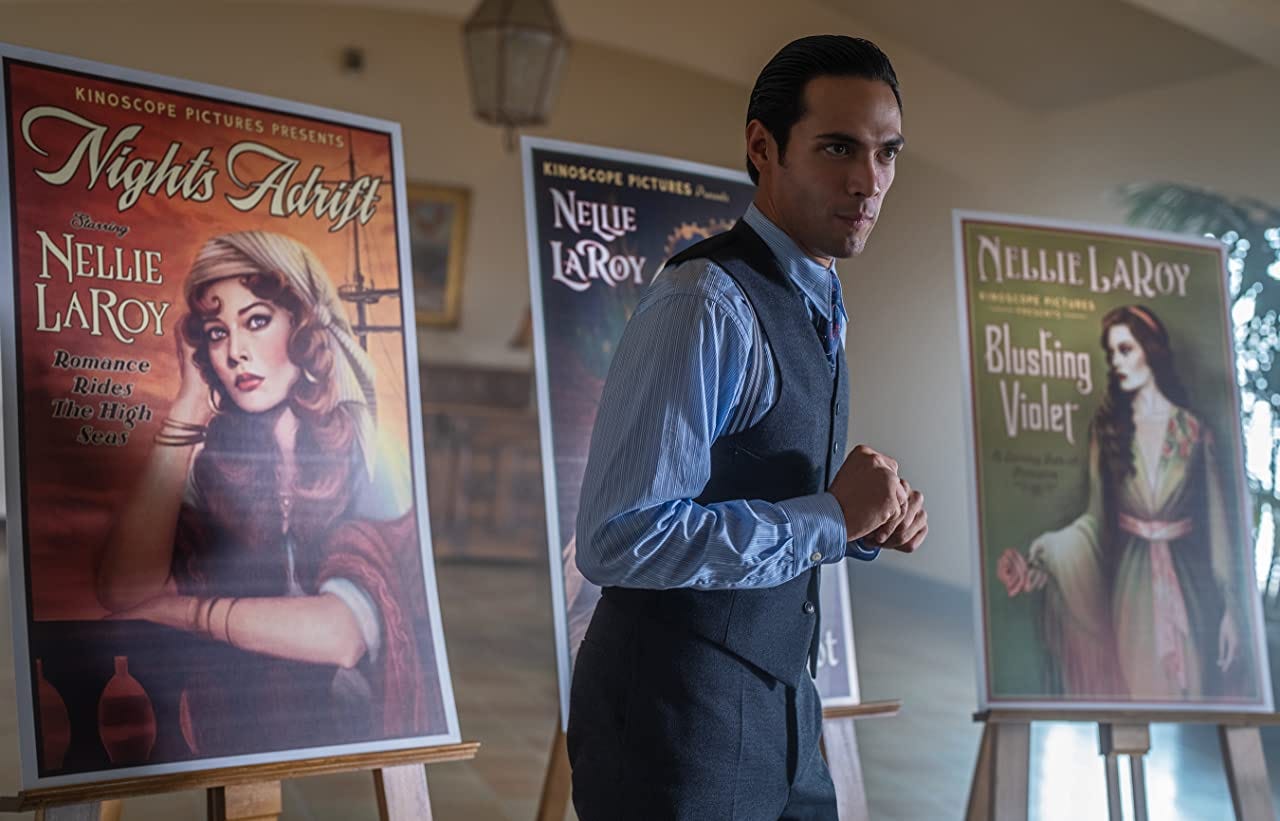
After having to run out during the credits because I was already a bit over time for when the trailer reel for my showing of Babylon started and feeling a slight amount of guilt I didn’t get to sit there and appreciate everyone who worked on Fabelmans (I’m sure I’ll end up watching it again and will absolutely sit through the credits the next time), I quickly left my rating on the film I had just watched and prepared to sit through a very divisive three-hour work from Damian Chazelle. That three hours gave me a very different type of film about films, and one that has haunted me ever since I walked out of that screening room. It was an absolute epic, a story about change and the people who work on films and rising and falling. It had a lot to say, and used nearly every minute in order to tell the story it wanted to in all its glitz and glory. It takes the time to focus on the figures left behind (and there were plenty!) during the changes that revolutionized film in both good (talkies) and bad (overcompensation of a moral line in film) ways during its early days, and the struggle for many in the industry to adapt to these changes even if they didn’t entirely fail at the task. The ending sequence encapsulates the immortality of film with iconic images remembered by those who view the films they belong to (The Passion of Joan of Arc was one there that I haven’t seen anyone mention; I may have just spotted it easier because I finally watched it for the first time a few weeks ago); mixed with film developing and sequences of the story that had just played out. I’m not entirely sure what possessed me that reared its head during that sequence, but I had to sit in my seat for a few minutes after the credits started rolling genuinely afraid that I was going to throw up despite not having eaten in about six hours. Something about Babylon that I can’t articulate genuinely changed me, I think; it’s a damn shame that most of the conversation has revolved around its lack of financial success, since the messaging of the film was rallying against the way the industry works in the first place.